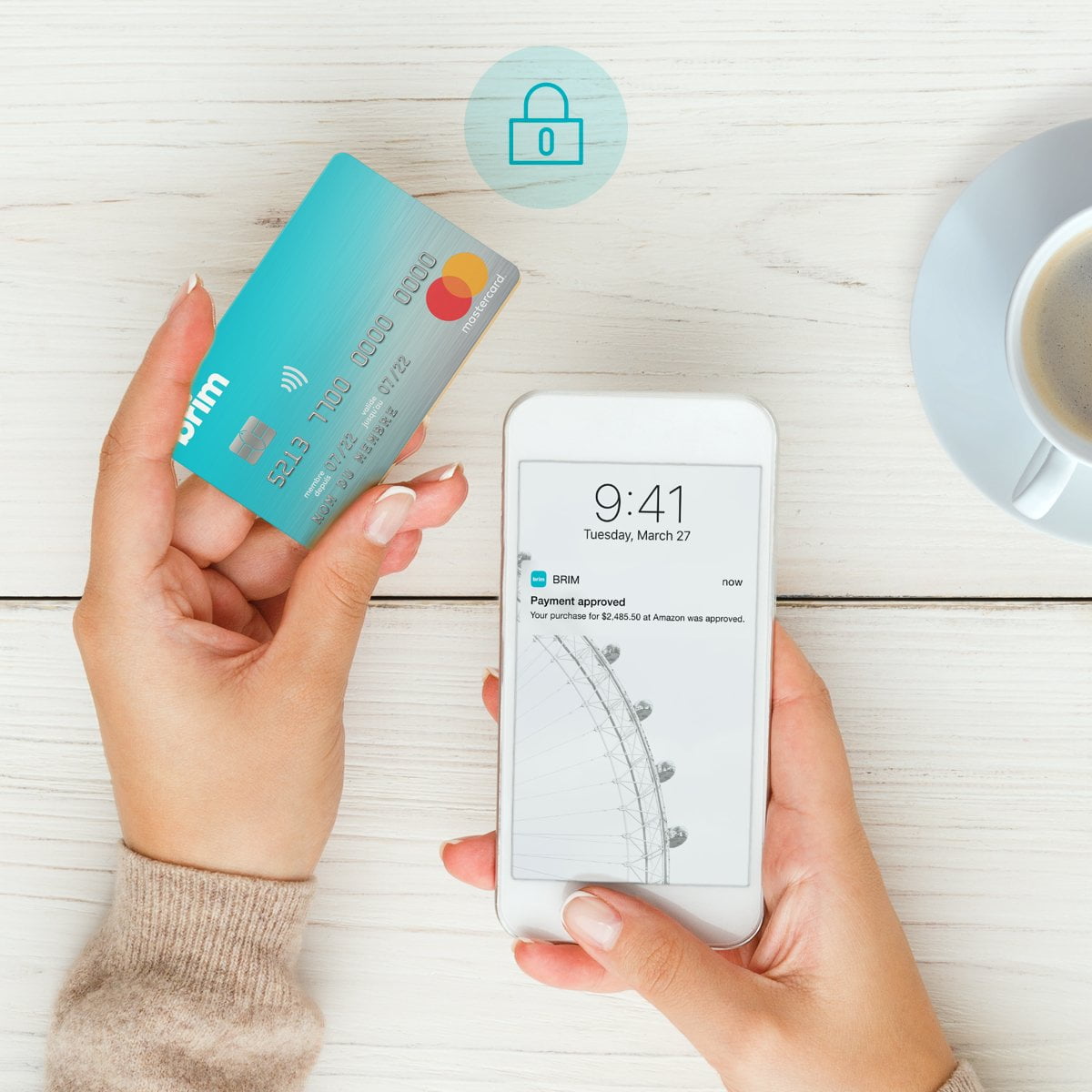
A survey published Monday by The @angusreidorg in partnership with The @globeandmail found that 63 percent of 1,500 respondents agreed either strongly or moderately that they hardly ever carry cash. https://t.co/z4wQUdkpwz @BrimFinancial pic.twitter.com/MLggyaU4ak
— Digital Main Street ™ 🇨🇦🏪👩💻🤓 (@digital_mainst) February 6, 2019
We appear to be well on our way with this trend, according to Payments Canada, the organization responsible for the country’s clearing and settlement infrastructure. Its most recent report of payment methods and trends, released in December, found that cash represents just 12 percent of the value of point-of-sale transactions – compared with 28 percent for debit cards and 58 percent for credit cards.
In 2016, the value of electronic transfers surpassed the value of cheques for the first time. And the number of contactless payments using a debit card, which allow consumers to “tap” their cards instead of entering a PIN, account for nearly 50 percent of debit transactions.
“Generally, retailers are going to go in the direction that consumers are going,” said Michael LeBlanc, senior retail adviser at the Retail Council of Canada. “So the march toward payments-without-cash has been fairly pronounced over the last number of years. That’s even more pronounced now with tap, or contactless payments.”
Consumers aren’t the only ones benefiting from the shift. Some businesses find that handling less cash speeds up their operations and makes them less prone to robberies, while apps let retailers track consumer preferences. Declining cash helps authorities squeeze tax evaders and money launderers.
Read the full Globe and Mail story by David Berman