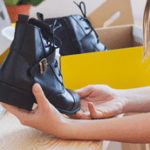
Business to Consumer (B2C)
Using a B2C model, businesses sell directly to customers. This model works for both products and services and is what people commonly think of when they think of e-commerce.
There are some variations on this model. For example, a direct-to-consumer (D2C) business model means the manufacturer is also responsible for distributing the product. You won’t find a D2C business’s products at a brick-and-mortar store or a third-party e-commerce website. Such companies only sell through their own physical or online store.
A vital benefit of a D2C business model is that the customers can always trust the product to be original. Examples of D2C businesses include Endy, Hello Fresh, and Dollar Shave Club.
But you don’t necessarily need to be the creator of the product or service you are selling to operate a B2C e-commerce business. You can be a curator who brings together various products from other manufacturers—an online version of a variety store or department store. You could also sell via a subscription model.
No matter which model you choose, you need to think about how you will fulfill orders. You could take delivery of inventory and ship the products yourself, but you’ll likely need a workspace for that.
Or, you could sell the product, collect the money, and have the product dropshipped by the manufacturer or a third-party service. The downside of dropshipping is that you don’t have complete control over the customer experience, but you are the one who will be held accountable and receive negative reviews if customers are unhappy.